



The Death of Traditional Business Consulting
And What's Replacing It in 2026 — A Reality Check for Indian SMBs
Last month, a manufacturing business owner in Pune called me.
He'd just paid ₹8 lakh to a consulting firm for a "digital transformation strategy." Six months later, nothing had changed. Zero implementation. Just a 200-slide PowerPoint deck sitting untouched on his laptop.
"Umang," he said, "I don't want more consultants. I need someone who actually does the work."
That conversation isn't unique. It's the conversation happening across India right now.
What Killed Traditional Consulting
For decades, consulting followed a simple playbook:
- Charge by the hour or by the project
- Conduct interviews and analysis
- Produce a strategic report
- Hand it off to the client for implementation
- Move to the next engagement
This worked when problems were simpler. When businesses had time. When change happened slowly.
But 2026 is different.
Three forces converged to break the old model:
Force 1: The Implementation Gap
Indian SMBs don't need more advice. They're drowning in advice. What they lack is execution capacity. A strategy document doesn't move the needle if nobody knows how to implement it, or if the team is too busy firefighting to act on it.
Force 2: The ROI Reckoning
CFOs are done paying for 'strategic insights' that don't translate to measurable outcomes. The consulting industry's $24 billion growth in India isn't benefiting SMBs who need tangible results, not theoretical frameworks. Businesses want outcomes, not hours billed.
Force 3: The AI Acceleration
AI can now do 70% of what junior consultants used to do — market research, competitor analysis, financial modeling, process mapping. The value of pure analysis is plummeting. If a consultant isn't bringing implementation capability or specialized expertise, AI has made them obsolete.
The New Consulting Model: What Actually Works in 2026
The consulting firms that are thriving in 2026 aren't doing traditional consulting. They've reinvented the entire engagement model.
Here's what's replacing the old playbook:
1. Value-Based Pricing Over Hourly Billing
The shift is dramatic. Instead of charging ₹50,000 per day regardless of outcome, new-model consultants tie fees to results. Increase profit by 20%? We share in the upside. Reduce churn by 30%? Performance-based compensation. This aligns incentives completely. Bad consultants won't touch this model. Great ones love it.
2. Fractional Executives Over Project Consultants
Indian SMBs are hiring fractional CFOs, CMOs, and COOs — senior professionals who work 2-3 days a week, embedded in the business, making decisions with skin in the game. Not advisors. Operators. The Virtual CEO model I've pioneered is exactly this: I don't just advise. I co-pilot the business transformation, hands-on, accountable for outcomes.
3. Implementation-First, Strategy Second
The new model flips the sequence. Instead of spending 3 months on strategy then handing off a report, I spend 2 weeks understanding the business, then immediately start implementing. Quick wins first. Strategy emerges from action, not the other way around. Clients see results within 30 days, not 6 months.
4. AI-Augmented Delivery
Smart consultants are using AI to handle the grunt work — data analysis, document review, competitive intelligence — freeing up human expertise for the high-value work that actually moves businesses forward. This cuts project timelines by 40-60% and reduces costs proportionally.
What This Means for Indian SMBs
If you're running a business between ₹5 crore and ₹50 crore, here's what you need to know about hiring consulting help in 2026:
Don't Hire For Strategy. Hire For Execution.
- Ask: "What will you personally implement in the first 30 days?"
- Demand: Clear deliverables, not just recommendations
- Require: Accountability for outcomes, not just completion of tasks
Insist on Skin in the Game
- Propose value-based pricing: "I'll pay you based on results achieved, not hours worked"
- Watch how they react — great consultants will say yes, average ones will make excuses
- Structure milestones with payment tied to measurable improvements
Look for Fractional Operators, Not Advisors
- Ask: "How many hours per week will you be embedded in our business?"
- Expect: Weekly presence, not monthly check-ins
- Require: Decision-making authority in their domain, not just advisory capacity
A Case Study: The Old Model vs. The New
Let me show you the difference with a real example.
Raj runs a logistics company in Bangalore. ₹35 crore revenue, but profit margins shrinking year over year.
❌ Old Model Approach
- Hired traditional firm for ₹12 lakh
- 8 weeks of interviews and analysis
- 180-slide deck delivered
- No follow-up or support
- Implementation left to client
✓ New Model Approach
- Fractional COO — 3 days/week
- Week 1: 3 quick wins implemented
- Week 4: Saved ₹18 lakh annually
- Week 8: 40% reduction in delays
- Month 4: Margins 11% → 17%
The Five Questions to Ask Any Consultant in 2026
Before you hire anyone, ask these:
Critical Questions:
- What will you personally deliver in the first 30 days that moves our metrics?
- Are you willing to tie your compensation to measurable outcomes?
- How many hours per week will you be embedded in our business?
- What's your implementation track record — not your advisory track record?
- Can you show me three clients where you actually executed the work, not just recommended it?
If they can't answer these confidently, walk away. You're about to pay for another useless PowerPoint deck.
Why the Virtual CEO Model Is Winning
The Virtual CEO approach I've developed over the past decade is purpose-built for this new reality.
It's not consulting in the traditional sense. It's operational partnership.
- I embed in your business 2-4 days per month
- I make decisions with you, not recommendations from the sidelines
- I'm accountable for results in four core areas: employee management, financial control, sales growth, leadership development
- Compensation includes performance incentives tied to business outcomes
- Implementation starts immediately — no 3-month 'assessment phase'
This model works because it solves the fundamental problem: the gap between knowing what to do and actually doing it.
The Hard Truth About the Future
Traditional consulting isn't coming back.
The forces that killed it — the implementation gap, the ROI reckoning, AI acceleration — are only getting stronger.
Consulting firms clinging to the old model are dying. McKinsey, BCG, Deloitte — they're pivoting. Fast. They're acquiring implementation firms, building technology capabilities, moving toward outcome-based pricing.
The smaller consulting shops that refuse to evolve? They're already gone. You just haven't noticed yet.
For Indian SMBs, this is great news.
You now have access to a model that actually works. Fractional executives. Implementation-first consulting. Value-based pricing. AI-augmented delivery.
But it requires you to be a smarter buyer.
What You Should Do This Week
If you're currently working with a consultant:
- Evaluate what they've delivered vs. what they promised
- Ask them to transition to value-based compensation
- Demand implementation timelines with clear milestones
- If they resist any of this, start looking for alternatives
If you're considering hiring a consultant:
- Forget traditional consulting firms
- Look for fractional operators with implementation track records
- Insist on embedded engagement models, not advisory relationships
- Negotiate outcome-based pricing from day one
The consulting industry is undergoing its biggest transformation in 50 years.
The winners will be the businesses that recognize this shift early and adapt their buying behavior accordingly.
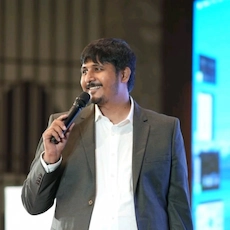
Experience the Virtual CEO Difference
Stop paying for PowerPoint decks. Start seeing real results. Join 200+ businesses that have transformed with hands-on, accountable, implementation-first consulting.
Learn About Virtual CEO — Only ₹99